

How does a club make money? Stadium, sponsorship, events and more
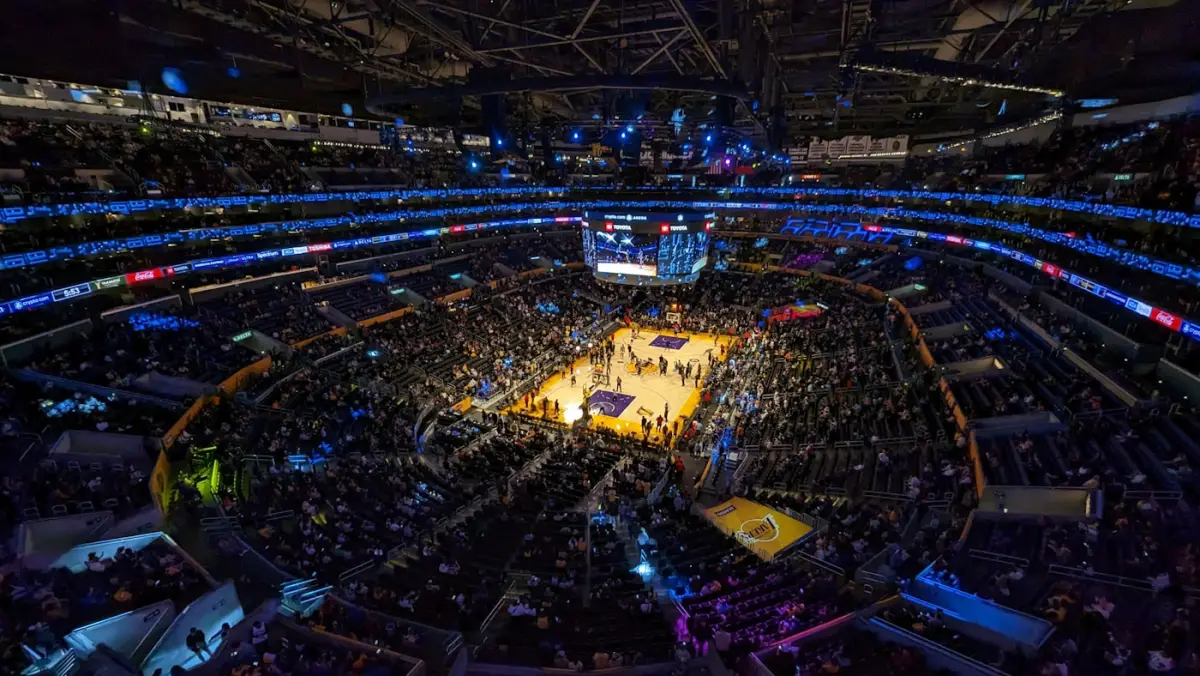
A stadium makes money from tickets and season tickets, boxes and hospitality, sponsorship and naming rights, renting the stadium for concerts and other events, food and drink, parking and tours. Broadcast rights, by contrast, usually go to clubs and leagues, not to the stadium owner. A sports project token can only share the revenue that actually belongs to whoever issues it.
Where does a stadium's revenue come from?
A stadium or arena does not live on matches alone. It is a property and events business. Its revenue is spread across matchdays, commercial contracts and use of the stadium for the rest of the year.
The most common sources are these:
- Matchday ticketing: single tickets for each game.
- Season tickets: revenue collected in advance.
- Boxes, VIP areas and hospitality: premium packages for companies and individuals.
- Naming rights: a brand pays to put its name on the stadium.
- Sponsorship: static advertising, screens, branded areas.
- Concerts and non-sport events: music, conferences, fairs, corporate events.
- Food and drink: bars, kiosks and restaurants inside the stadium.
- Parking.
- Stadium tours and museum.
Who earns each revenue stream?
This is the key point. The club that plays there and the stadium owner are not always the same entity. Sometimes the club owns its stadium. Other times the stadium belongs to a public authority or a private company that leases it out. Each contract splits revenue differently.
| Revenue source | Who usually earns it | Predictability |
|---|---|---|
| Season tickets | Club or stadium, depending on the contract | High: paid in advance |
| Matchday ticketing | Club or stadium, depending on the contract | Medium: depends on opponent and results |
| Boxes and hospitality | Stadium or club | Medium-high with multi-year contracts |
| Naming rights | Stadium owner | High while the contract lasts |
| In-stadium sponsorship | Stadium or club | Medium: renewable contracts |
| Concerts and other events | Stadium owner or operator | Variable: depends on the calendar |
| Food, drink and parking | Stadium or concession operator | Medium: tied to attendance |
| Tours and museum | Stadium or club | Medium: tied to tourism |
| Broadcast rights | Clubs and leagues | Does not usually reach the stadium owner |
That is why you should not confuse a club's total revenue with its stadium's revenue. Broadcast rights move a lot of money in sport, but they are negotiated between leagues, clubs and broadcasters, not with the owner of the building.
Which revenue can a sports project token share?
A token can only grant rights over revenue that its issuer controls. If the issuer is the club, the token will be linked to revenue the club controls: stadium rentals for events, naming rights, sponsorship or a share of ticketing, depending on what its contracts allow.
When you review a project, check:
- Which specific revenue sources are included.
- Whether it shares a percentage of gross revenue or of profit.
- For how long and how often payouts happen.
- Which contracts back that revenue and when they expire.
On projects each project sets out which revenue it includes and on what terms.
What makes a stadium's revenue rise or fall?
Stadium revenue is not fixed. These are the factors with the biggest effect:
- Sporting results: promotion or relegation changes attendance and sponsor interest.
- Calendar: number of home games and free dates for other events.
- Location and access: public transport, parking and distance from the city.
- Condition of the stadium: a modern building attracts more events and sponsors.
- Contracts: length of naming, sponsorship and rental deals.
- Economic climate: spending on leisure and advertising drops in downturns.
- The unexpected: works, sanctions, closures or capacity limits.
Stadiums that mix several sources tend to depend less on a single season. An arena that hosts basketball, concerts and conferences spreads its risk better than one that only opens on matchdays.
What does this mean for a fan or investor?
Understanding how a club and its stadium make money helps you read any project with a critical eye. Look at revenue diversity, contract length and who actually earns each line.
If you are a club, see the clubs section. If you want a more financial view, see investors. And remember that past revenue never guarantees future revenue.
Frequently asked questions
It depends on the stadium. Most combine ticketing and season tickets, boxes and hospitality, sponsorship and naming rights, and rentals for other events; the weight of each varies with use and contracts.
Usually not. Broadcast rights are shared between leagues and clubs, not stadium owners.
A brand pays to put its name on a stadium for an agreed period. It usually goes to the stadium owner and is fairly predictable while the contract lasts.
Not necessarily. Each project defines which revenue sources it includes, at what percentage and for how long, and it can only include revenue the issuer controls.